The Art of Quality: What Makes Premium Cannabis Oils Worth the Hype
Understanding the Landscape of Cannabis Concentrates
Over the past few years, the cannabis market has shifted dramatically. While flower remains a staple, more consumers are turning to concentrates for their potency, flavor, and efficiency. Among these, premium cannabis oils have carved out a distinct niche. These aren't just the run-of-the-mill extracts you might find at a gas station or a discount shop. They represent a higher standard of production, purity, and user experience. Whether you are a seasoned dabber or someone curious about dabbing for the first time, understanding what sets these oils apart can save you money and disappointment.
The term "cannabis oils" covers a lot of ground. It includes everything from thick, amber-colored distillates to liquidy tinctures meant for oral use. The real differentiator is the quality of the input material and the extraction method. In states like Colorado, where cannabis has been legal for years, producers have honed their craft. Colorado cannabis, in particular, has a reputation for being grown under strict organic practices, and that starting material directly influences the final oil. When you see a label that says organic cannabis, it is not just marketing fluff. It means the plant was grown without synthetic pesticides or chemical fertilizers, which translates to a cleaner, more flavorful extract.
How Extraction Methods Affect Quality
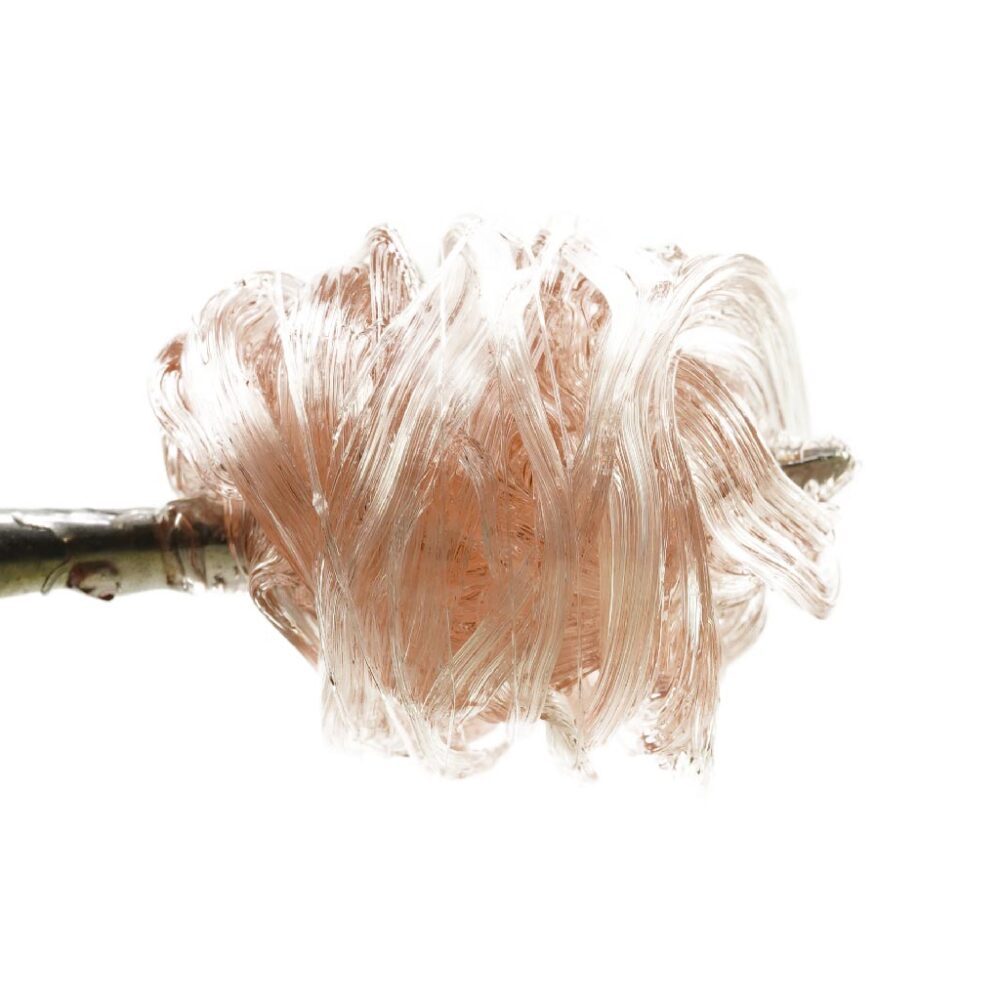
Not all oils are created equal because the extraction method determines what ends up in the bottle. The two main categories are solvent-based and solventless extraction. Solventless methods, such as mechanical separation or heat pressing, rely on physical force to separate the trichomes from the plant matter. This approach preserves the delicate terpenes and flavonoids that give each strain its unique aroma and effect. The result is often a full-spectrum oil that captures the plant's true profile. On the other hand, CO2 extraction uses carbon dioxide under high pressure to pull out cannabinoids and terpenes. It is highly efficient and can produce a very clean oil, but it requires expensive equipment. Many of the best premium cannabis oils on the market today are produced using CO2 extraction because it yields a consistent, lab-grade oil without leaving behind chemical residues.
There is also the question of distillation. THC distillate and CBD oil are two common end products, but they come from different processes. THC distillate is typically made by first extracting crude oil from the plant and then distilling it under vacuum to isolate the active compounds. This method can produce a very pure form of delta 8 distillate or delta 9 distillate, depending on the starting material and the distillation parameters. Delta 9 distillate is the classic psychoactive form of THC, while delta 8 distillate is a milder, less intoxicating variant that still offers therapeutic benefits. Both have their place, especially for users who want to tailor their experience. For example, someone looking for relief from anxiety without getting too high might prefer a product high in delta 8 distillate. A more experienced user chasing a potent euphoria might go for delta 9 distillate.
Practical Considerations for Buying and Using Cannabis Oils
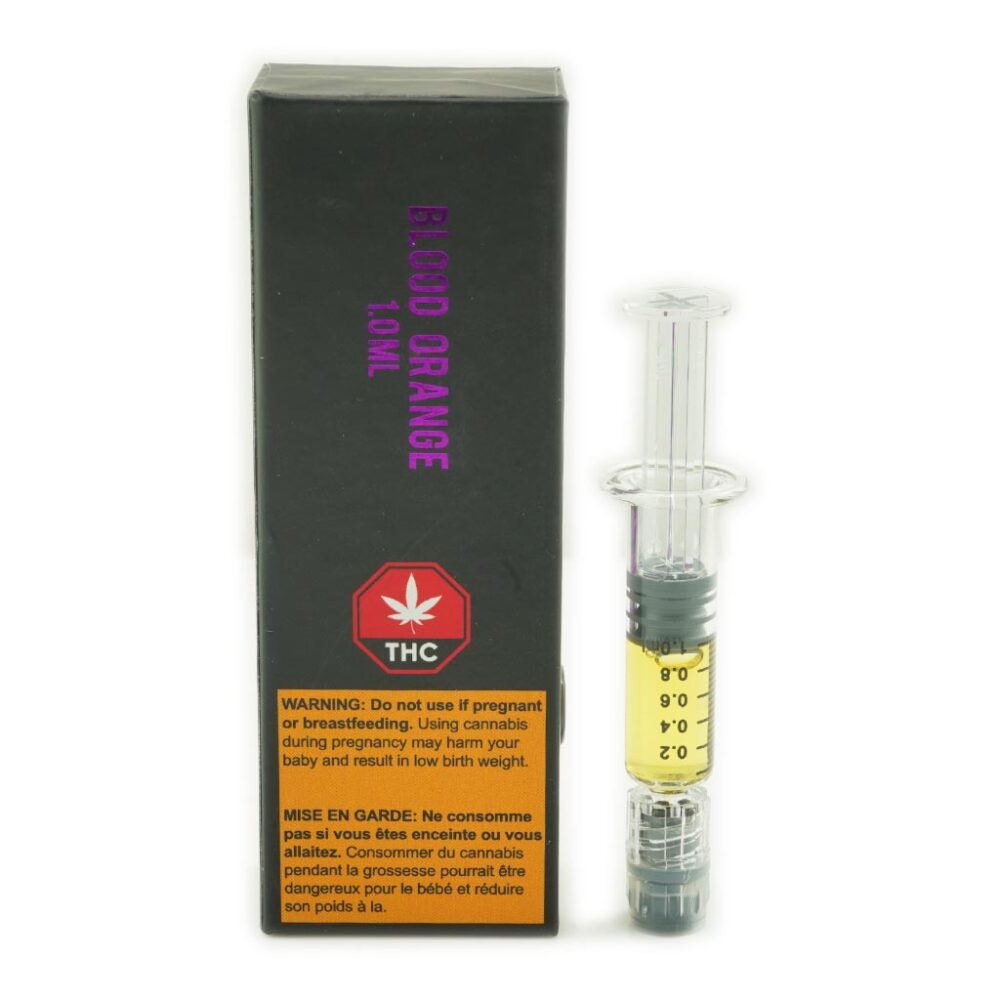
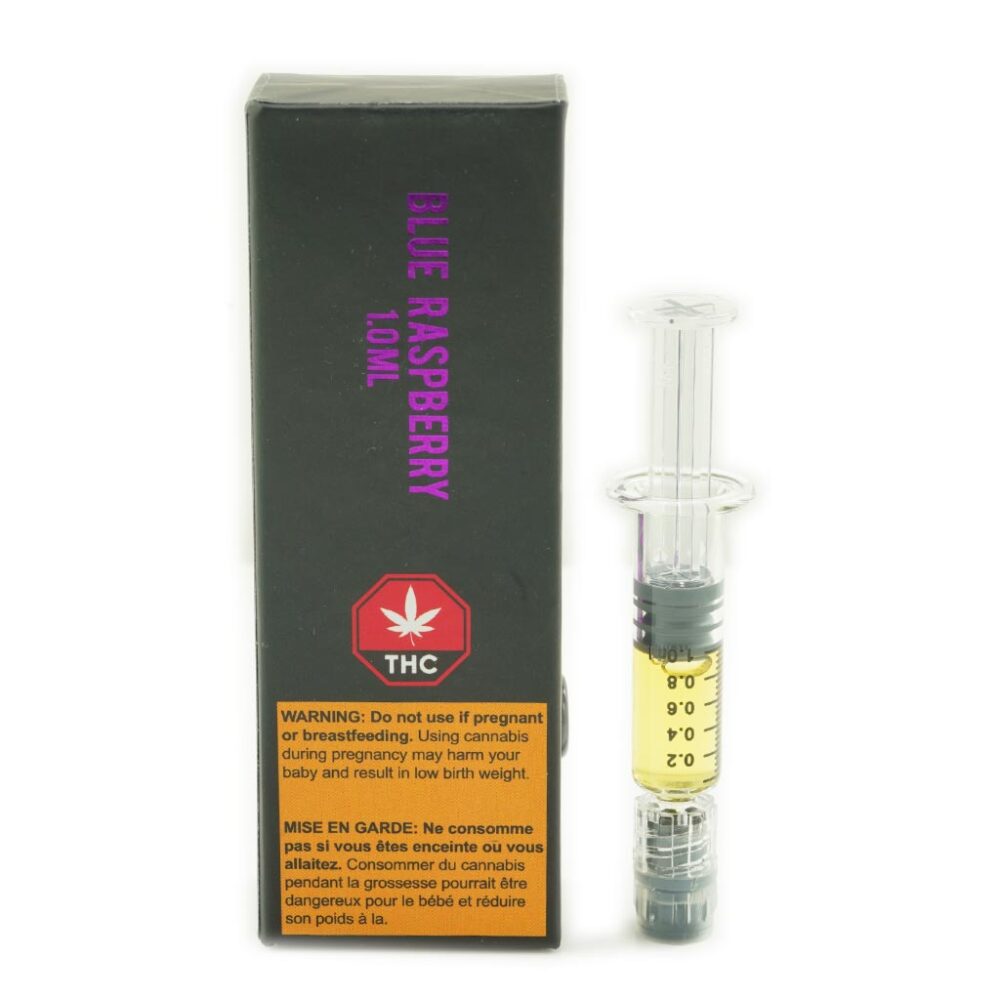
When you shop for these products, you will often encounter them in branded syringes or dropper bottles. Branded syringes are not just for show. A glass syringe allows for precise dosing, which is crucial when you are dealing with a concentrate that can be several times more potent than flower. You can measure a single drop and know exactly how much you are taking. Empty syringes are also sold separately, and many users prefer to refill them from a larger jar of oil. Dropper bottles are more common for oils meant to be taken sublingually or added to food. The packaging should be airtight and UV-protective, because light and oxygen degrade cannabinoids over time.
Dabbing remains the most popular way to consume these oils. You heat a nail or banger to the right temperature, apply a small amount of oil, and inhale the vapor. The advantage of dabbing is that you get the full flavor profile because the oil is vaporized instantly. Lower temperature dabs, around 315 to 450 degrees Fahrenheit, preserve more terpenes and provide a smoother hit. Higher temperatures produce bigger clouds but can burn off some of the subtle flavors. For those who prefer a more portable option, vape cartridges pre-filled with cannabis concentrates are widely available. They are convenient, but the quality varies. A cartridge filled with premium cannabis oils will deliver a cleaner vapor and a more consistent experience than one filled with low-grade distillate mixed with thinning agents.
What to Look For on a Label
Reading a product label for cannabis oils can be confusing because there is no universal standard. However, a few markers can guide you. First, look for the words "full-spectrum oil" on the bottle. That indicates the extract contains a wide range of cannabinoids and terpenes, not just THC or CBD. A full-spectrum oil is more likely to produce the entourage effect, where the compounds work together synergistically. Second, check for a certificate of analysis from a third-party lab. Reputable brands, including those carried by Kush Station, provide batch-specific test results that show potency and purity. Third, consider the source. If the label says organic cannabis or Colorado cannabis, it is a good sign that the grower took care at the cultivation stage.
Another factor is the presence of additives. Some cheaper oils are cut with MCT oil, vegetable glycerin, or even vitamin E acetate to make them flow better or last longer. While these are not harmful per se, they dilute the product. A true premium oil should be pure extract, possibly with a small amount of natural terpenes added back for flavor. The color of the oil can also tell you something. A light golden or clear oil is usually more refined, while a dark amber oil may contain more plant waxes and impurities. This does not automatically make the dark oil bad, but it often indicates a less thorough filtration process.
The Role of Terpenes and Flavonoids
The experience of using cannabis oils goes beyond the high. The aroma and taste are largely determined by terpenes and flavonoids. Terpenes are the aromatic compounds found in many plants, and cannabis produces a huge variety of them. Myrcene, limonene, and caryophyllene are just a few examples. Flavonoids are less talked about, but they contribute to the color and antioxidant properties of the oil. A well-made extract will preserve these compounds rather than destroying them through excessive heat or harsh chemicals. That is why solventless extraction and low-temperature distillation are prized among connoisseurs. They keep the oil tasting like the plant it came from, with all the subtle notes that make each strain unique.
When you dab a high-quality oil, you should be able to taste the strain. A limonene-heavy profile will taste citrusy, while one rich in myrcene might have earthy, musky notes. This is part of the appeal of cannabis concentrates for many users. They want to explore the different flavors and effects, much like a wine enthusiast would explore different vintages. The purity of the oil also affects how smooth the vapor is. Harshness often comes from residual solvents or chlorophyll. A clean, lab-grade oil will be gentle on the throat even at higher temperatures.
Storing and Handling Your Oils
Once you have a bottle of premium cannabis oils, how you store it matters. Heat, light, and air are the enemies. Keep the oil in a cool, dark place. A drawer or a cabinet away from the stove works well. If you are using branded syringes, make sure the plunger is not left exposed to air for long periods. Some users transfer their oil into smaller dropper bottles to minimize the headspace in the container. Glass syringes are better than plastic ones because they do not react with the oil over time. You can also buy empty syringes specifically for this purpose. They are inexpensive and help you portion out your doses without contaminating the whole batch.
One common mistake is assuming that thicker oil is always better. Viscosity can vary based on the type of cannabinoids present and the temperature. A high-THC distillate might be runny at room temperature, while a CBD oil could be thick and almost solid. This does not indicate quality. If your oil has crystallized, you can warm the bottle slightly by holding it in your hand or placing it in a warm water bath for a few minutes. Do not microwave it, as that can destroy the cannabinoids.
Final Thoughts on Choosing the Right Product
The market for cannabis concentrates is crowded, but the products that stand out share a few common traits: clean extraction, rigorous testing, and careful handling from farm to bottle. Whether you are looking for something to help with sleep, pain, or just relaxation, the right oil can make a noticeable difference. Brands that prioritize quality often sell through trusted retailers like Kush Station, where the sourcing is transparent and the product range includes everything from delta 8 distillate to full-spectrum CBD oil. Taking the time to understand what goes into a bottle will help you make a choice you feel good about.
At the end of the day, the best cannabis oil is the one that meets your needs and fits your expectations. Do not be afraid to ask questions about the extraction method, the strain source, and the lab results. A good seller will have answers. And once you find a product that hits right, you will understand why premium cannabis oils have earned their reputation. They are not just about getting high. They are about getting the most out of the plant, with every terpene and cannabinoid preserved as nature intended.